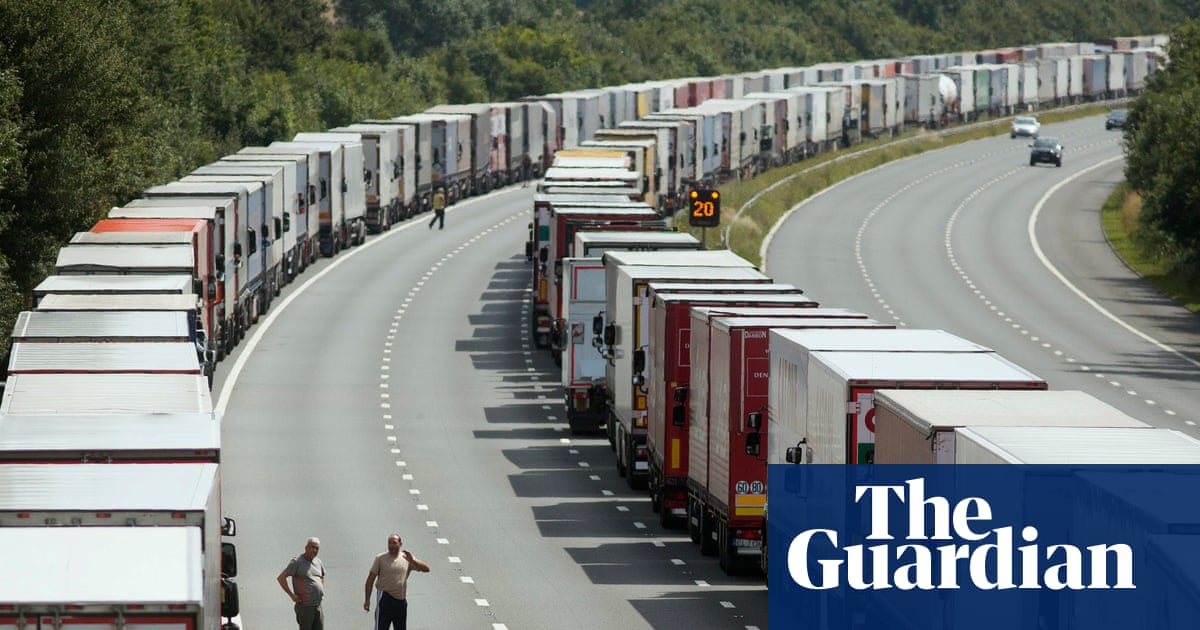
Two sides have ‘settled’ text of a draft deal to remove some Brexit checks on food and animal product exports to EU
The UK and the EU have finalised their deal to remove red tape for food producers wanting to export to the EU. It is the first of a series of agreements the two sides will formally announce at a summit in Brussels on 20 November.
It is understood the text is “settled” and not subject to further negotiation with the European Commission, although an EU member state may yet raise issues with the text, which is being formally circulated among EU ambassadors at a meeting in Brussels on Wednesday.
What is the overall deal on 20 November?
The food deal is one of three main issues identified by the previous prime minister, Keir Starmer, for his “reset” of relations with the EU.
Andy Burnham promised to stick with them and the focus on food, electricity and a youth travel scheme for British and EU citizens between 18 and 30 years old.
What are the practical implications of the reset?
The details announced on Tuesday mean exports of fresh meat, fish, shellfish and seed potatoes, largely from Scotland, can resume without costly paperwork proving they comply with EU standards.
Exporters will no longer need the £200 veterinary certificate proving their produce is safe to eat or use in the EU, nor will they need a £25 plant health certificate proving they are free of pests and diseases, paving the way for easier exports of trees, shrubs and wooden or leather goods.
A youth mobility scheme will also start, possibly next year, with travellers between 18 and 30 years old able to get a special visa to work, study or simply travel.
So if this is being announced on 20 November, what happened on Tuesday?
The draft agreement appears to show that the remaining loose ends in the food and drink deal, which was largely agreed and announced in May, was finally agreed by both sides.
Negotiators are still thrashing out the details of the youth mobility scheme, with the EU insisting that the UK allow EU students study in British universities on home fees.
What does it mean for exporters?
In practice, the agreement will mean exporting is easier, but the food sector will be looking for substantial financial and marketing support from the UK to get British food back to the continent at scale.
As the National Farmers’ Union president, Tom Bradshaw, said earlier this year: “There are no empty shelves in the EU with signs saying waiting for British products to return”. Food exports, particularly poultry and eggs, have collapsed by one-third since Brexit, NFU analysis of trade data showed last month.
The food deal is expected to be implemented in early 2028 as it needs legislation on the British side to align with the EU.
Will shoppers notice the difference?
Yes. It should mean the variety of fresh produce such as cheese from France and elsewhere is restored in British supermarkets, along with a wider range of wine.
Since Brexit, supermarkets have reduced the range of fresh produce from the continent because of the red tape, while small artisan producers of cheese, wine and olive oil have stopped selling into the UK for the same reason.
What about pet passports?
As of April this year EU pet passports can no longer be used or held by residents in England, Scotland or Wales to travel to the EU, causing headaches for families holidaying abroad, mainly with pet dogs.
Before Brexit, a single EU pet passport (issued by an authorised vet in the UK or another EU country) was valid for multiple trips into the EU, provided the pet’s rabies vaccination remained in date. Under the new agreement, this system should be restored.
What about fish?
Scottish salmon producers were among the first to devise a way of centralising exports to cut the red tape, but the risk of having a truck load of fresh fish being detained in Boulogne (where the fish checks take place) meant many producers of shellfish gave up.
The new deal would reopen the door for exports of Scottish langoustines and molluscs that could be fished then served on restaurant plates the following day.
How will it affect the Northern Ireland border?
Checks and paperwork of fresh produce were controversially introduced on goods going from mainland Britain to Northern Ireland in a trade-off designed to ensure there were no checks on the border with the Republic of Ireland.
The Democratic Unionist party vehemently opposed what they saw as a border in the Irish sea and on Tuesday said the SPS did not go far enough because it did not get rid of all checks. But it does get rid of most.
The deal will bring an end to physical checks and veterinary certificates on farm produce and the “green” and “red” lanes for trucks bringing food from Great Britain. It will also mean those who sell into Northern Ireland will no longer need to label their food “not for EU”, which has been a significant problem for wholesalers.
But checks on anything that comes with excise duty, such as wine and cigarettes, will continue, to prevent smuggling into the Republic of Ireland.