Ulster Hall, BelfastWith two sets of fathers and sons now in the group, as they play all of Moseley Shoals on its 30th anniversary, the indie stalwarts have aged into seismic and soulful performers
‘It’s only 30 years ago,” Simon Fowler says of Moseley Shoals. He would seem to mean it, but 30 years makes Ocean Colour Scene’s breakthrough album as old now as Revolver was when they were making it. The band once derided for raiding the 60s are now heritage themselves. They open the album’s anniversary tour on the stage where Led Zeppelin first played Stairway to Heaven, and you can’t help but appreciate the lineage.
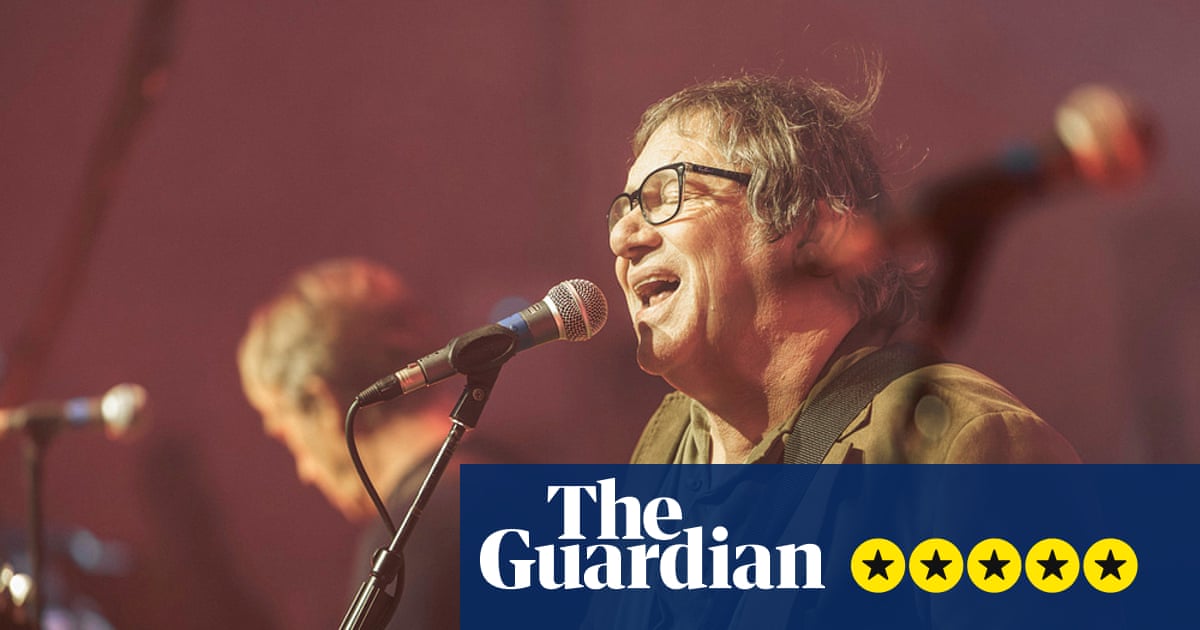
They walk on to Green Onions, fresh from the Crown Bar, and open with You’ve Got It Bad, all supreme Motown stomp. Fowler sings with a hand in his pocket and looks taken aback by the welcome. The casualness is a conduit: his voice has aged into something close to peak Joe Cocker, grained at the edges, honey underneath. Lining Your Pockets is more resounding than ever.
All 12 album tracks are played, shuffled in among later hits such as Hundred Mile High City and Profit in Peace. The six-piece have become a family firm: Steve Cradock’s son Cass switches between guitar and keys; drummer Oscar Harrison’s son Leon works congas and tambourine and sings backing vocals. On The Circle, the first big singalong, father and son drum as one.
Fleeting Mind is pure refraction, Cradock’s lead all glacial pull-offs and slow runs, as if he’s still finding colours in a palette he mixed when MiniDiscs were the future. Get Away still welds, then transcends, Dear Prudence and When the Levee Breaks. Wistful craft and maximum R&B are their two modes, and nobody in their class moves between them so easily, or soulfully. One for the Road’s closing refrain, “I’ll sing my sorrow”, is longing worn without embarrassment. That’s the gift: songs about fragile feelings, sung back by people seldom licensed to have them.
The ballads cluster early on, trading a little momentum for some of the night’s finest singing. Alone on stage for the encore, Fowler introduces Robin Hood as “the night I came face to face with Christ, all for £2.50”, and Belfast takes it from him. The Day We Caught the Train closes, as it must: a Beatles-schooled heirloom few have bettered in the 30 years since, and seismic with it.
Consensus has lazily filed them under dad-rock. With two dads and two sons on stage, the term has never sounded less like an insult. Their flowers are overdue. There are 20 more nights to send them.