
Effects of extreme weather expected in countries that already have high maternal and newborn death rates
El Niño stokes a higher risk of death in childbirth for millions of women in the world’s harshest crisis zones, midwives have warned.
Converging waves of weather – floods, cyclones and extreme heat – forecast to peak in the coming months will prove fatal for many, especially pregnant women, who face being cut off from hospital when in labour.
About 15 million babies are due to be born in November and December in countries rated as high risk for El Niño – that represents two in every three births worldwide.
They include Nigeria, Chad, Central African Republic, South Sudan, Somalia and Afghanistan, which already have some of the world’s highest maternal and newborn death rates. About 260,000 women die in pregnancy and childbirth every year, mostly of avoidable causes, with sub-Saharan Africa carrying 70% of the burden.
“If you’re female, pregnant, socially deprived and in a climate catastrophe zone, the odds are stacked against you before you even conceive,” said Anna af Ugglas, chief executive of the International Confederation of Midwives (ICM) today. “El Niño is coming on top of other health risks – and for many this will become the difference between life and death.”
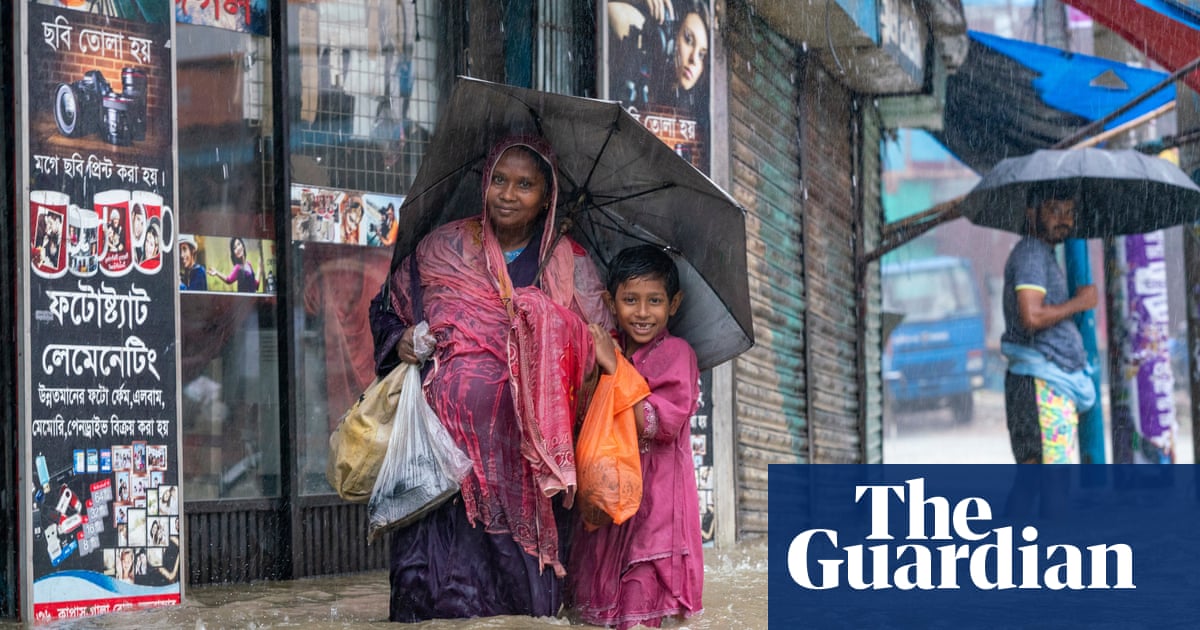
In Bangladesh, maternity teams are braced for floods.
“Childbirth does not stop during a cyclone, flood, heatwave or landslide,” said Christine Ewoi Eloto, a midwife mentor in the Rohingya refugee camps of Cox’s Bazar in Bangladesh. “Even a short delay in reaching a facility during an obstetric emergency can cost a mother or her baby’s life.
“During previous flash floods and landslides, women could not reach health facilities. Roads were submerged and our vehicle got stuck.”
In southern Malawi, a heatwave is keeping women from antenatal care. A failed rainy season has left farming families unable to afford bus fares to a clinic – so issues go untreated.
“At present we’re facing temperatures above 40C most of the week,” said midwife Judith Mgogo. “Antenatal attendance is expected to be low since women cannot travel in such hot weather. We are having electricity blackouts every day.”
When electricity fails, midwives deliver babies in sweltering wards or by torchlight, said midwife Madalitso Malekano, of Phalombe district. “Extreme heat is causing dizziness and fatigue in many women – and that includes myself.”
Previous strong El Niño events have left more than 4 million Malawians short of food. “There will be malnutrition, which will lead to low birthweight babies and heavy maternal bleeding – a consequence of anaemia,” said Malekano.
The World Health Organization rates malnutrition “almost certain” in drought zones, a “very high” risk, noting this as a particular hazard for pregnant and breastfeeding women.
Emmie Mang’anda, a Malawian midwife, said: “When households struggle to provide basic necessities, some girls may resort to risky survival strategies, including transactional sex, in order to obtain money or food.”
In Chile, where floods knocked out communities and hospitals this year, midwife Natalia Acha Godoy, of the Maternity Foundation, said: “What stays with me is how quickly reaching a hospital can become uncertain. I can’t help thinking about a pregnant woman going into labour in an isolated community, or a newborn requiring urgent care when roads are blocked.”
ICM has issued a manual on surviving extreme heat – which it calls an “invisible disaster”. A single day of overheating can raise the risk of premature birth, birth defects, high blood pressure and dangerous overheating in newborns.
On days of life-threatening heat, midwives are told to hang red flags outside clinics – telling women to stop farm work and stay at home if possible. Women should have a “heat action plan”: a cool shelter, someone to take on chores and at least 15 litres of drinking water stored.
“Extreme heat does not leave behind immediate physical destruction, making its severe physiological toll easy to overlook,” said Neha Mankani, an ICM adviser.
Campaigners say the harm from El Niño – a periodic Pacific warming thought to be made worse by global heating – shows why governments must act at the UN’s climate summit Cop31 in Turkey this week.