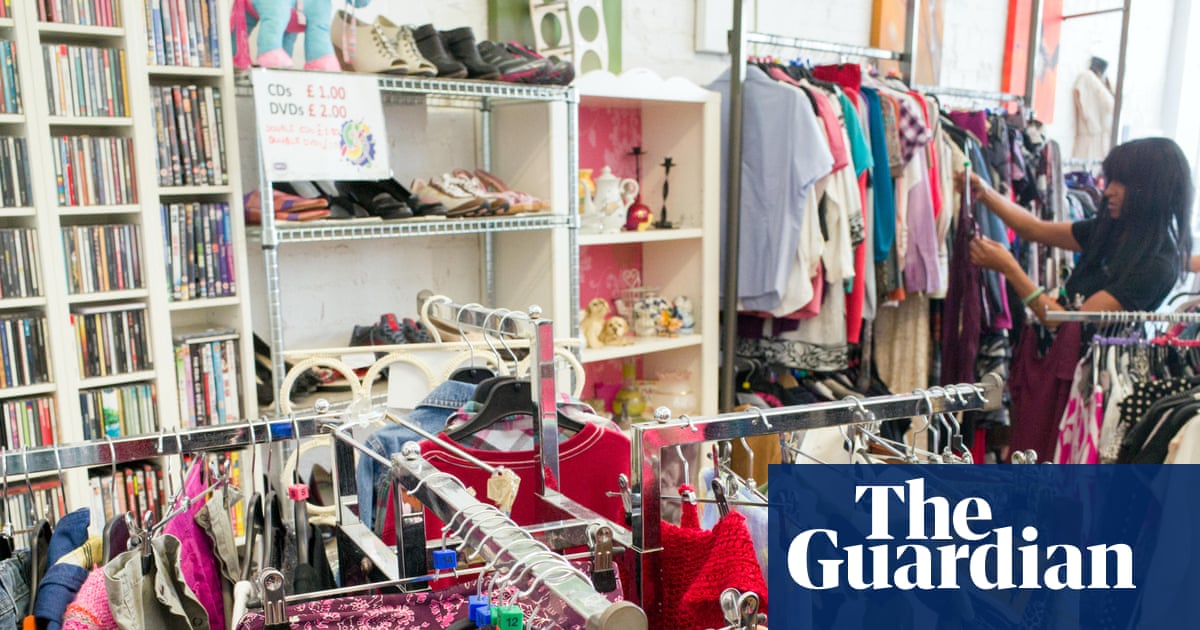
They help volunteers to develop skills, make friends and find employment, says Antony David Davies
Your article on the declining profitability of charity shops struck a chord with me (UK charity shop profits plummet amid shift in secondhand clothes market, 31 October). Having spent many years managing charity shops and community reuse projects, I feel that something important is being overlooked.
Charity shops were never just about making money. They provided affordable goods for people who needed them and, equally importantly, opportunities to gain confidence, develop skills, make friends and sometimes find their way back into employment. For some, volunteering is their first step back into society after a difficult period in their lives.
Of course, charity shops must pay their way. I spent six years managing a Salvation Army shop, substantially increasing its turnover, only to see it eventually close. So I understand the financial realities only too well. But I wonder whether in the pursuit of profitability and increasingly professional retail operations, parts of the sector have lost sight of their original purpose.
The true value of a charity shop should never be measured solely by what goes through the till, but also by what it gives back to its community. Antony David Davies Shrewsbury, Shropshire