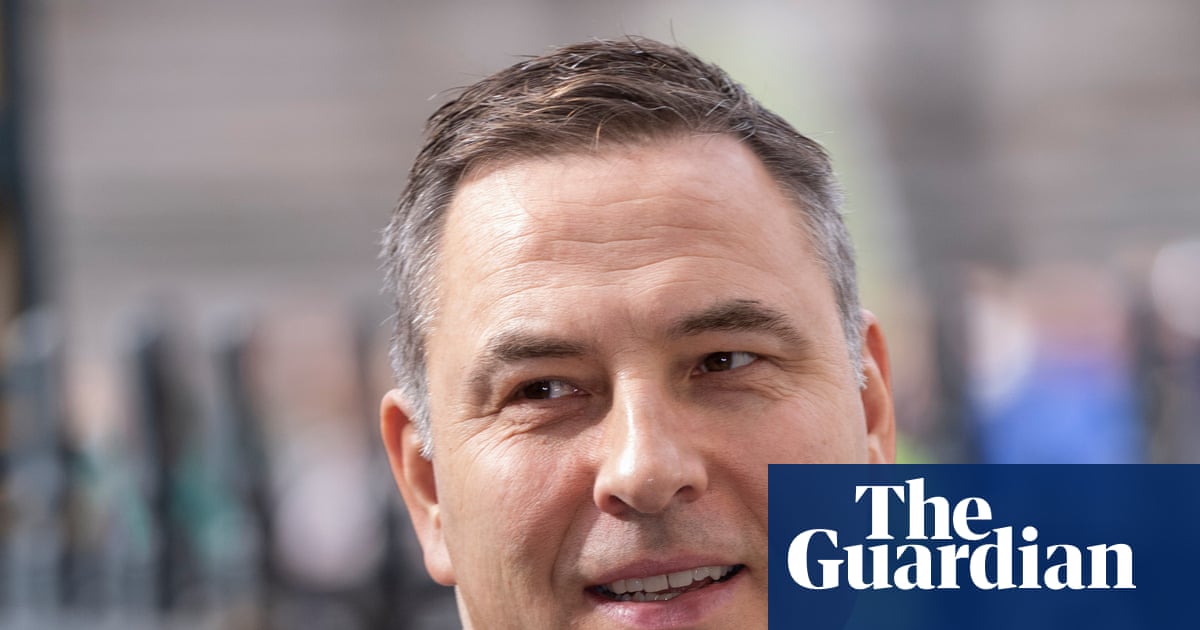
It has been suggested that women with stories to tell felt silenced after signing non-disclosure agreements
The UK’s minister for women has suggested that the government has not gone far enough in tackling the abusive use of non-disclosure agreements.
Bridget Phillipson was commenting in the context of the allegations of improper behaviour by David Walliams – which he denies – and the conviction of Russell Brand for rape and sexual assault. In both cases, it has been suggested that women with stories to tell felt silenced after signing an NDA.
What is an NDA?
It is an agreement between two or more parties that seeks to keep certain information confidential, sometimes known colloquially as a “gagging clause” . It is not unusual for an employer to include such a clause in an employment contract or a settlement agreement in order to protect commercial or other sensitive business information.
The government provides guidance on how to use such agreements, advising that a “good NDA restricts the use of the ideas and information to a specific permitted purpose”. It is additionally recognised that people who have been the victim of discrimination or harassment may wish to enter into an NDA for their own personal reasons.
It is plausible that a victim of bullying in the workplace may not want a future employer to know that they made a complaint.
What legal changes have been made?
With the emergence of the #MeToo movement and a series of scandals in which the alleged victims of improper behaviour felt silenced after signing an NDA, the UK government enacted legislative changes. In 2025, a ban was brought in on the use of NDAs in higher education, ensuring that institutions could not enter into them with staff, students, members or visiting speakers in relation to complaints about sexual abuse, harassment or sexual misconduct, or other forms of harassment and bullying.
NDAs entered into from 1 October 2025 are also unenforceable under section 17 of the Victims and Prisoners Act 2024 where they are designed to prevent victims and direct witnesses of crime from making disclosures to the police, regulators or those who might provide advice and support. All such clauses are said to be unenforceable.
Meanwhile the Employment Rights Act 2025 makes void any NDA between an employer and a worker where the agreement seeks to prevent the worker from speaking out about harassment or discrimination or their employer’s response to allegations.
How might ministers go further?
The government has already consulted on the application of the Employment Rights Act in a way that could alter its scope. It has asked whether it should extend the protections beyond standard employees to the self-employed or agency workers. Campaigners say it should at least be broadened to include anyone in the workplace, including those on internships.
Ministers have already ensured that signatories of an NDA are free to go to the police, but campaigners also suggest they further expand the type of people that someone might approach. Options include mental health professionals, religious or community leaders or even members of the media. Beyond that, campaigns such as that pioneered by Zelda Perkins, who broke an NDA to expose the criminality of the Hollywood director Harvey Weinstein, have a wishlist of changes. They ask the UK to learn from international examples, particularly the US.
There are US states where NDAs relating to sexual misconduct and harassment are prohibited entirely, and not just in an employer-worker context. In some states, an NDA cannot be used to conceal government decision-making and cannot use public money, while in a large number the definition of an NDA that is prohibited is broadened to include non-disparagement clauses, which can prevent signatories from being negative with regard to another party or acting in a way that is detrimental to their interests.
Perkins suggests that employers should also have a duty to inform employees that an NDA does not affect their whistleblowing rights, rights under health and safety legislation, or the right to report to police. It is further regarded as vital that the rules around exemptions on the voiding of NDAs, such as when a victim of harassment requests such an agreement, take into account the pressure that someone can be put under to sign away their rights. Legal advice should be available and the link between a financial settlement and an NDA should be broken.